Who Is Afraid of Gender?
Reflections on Power, Identity, and Democratic Futures
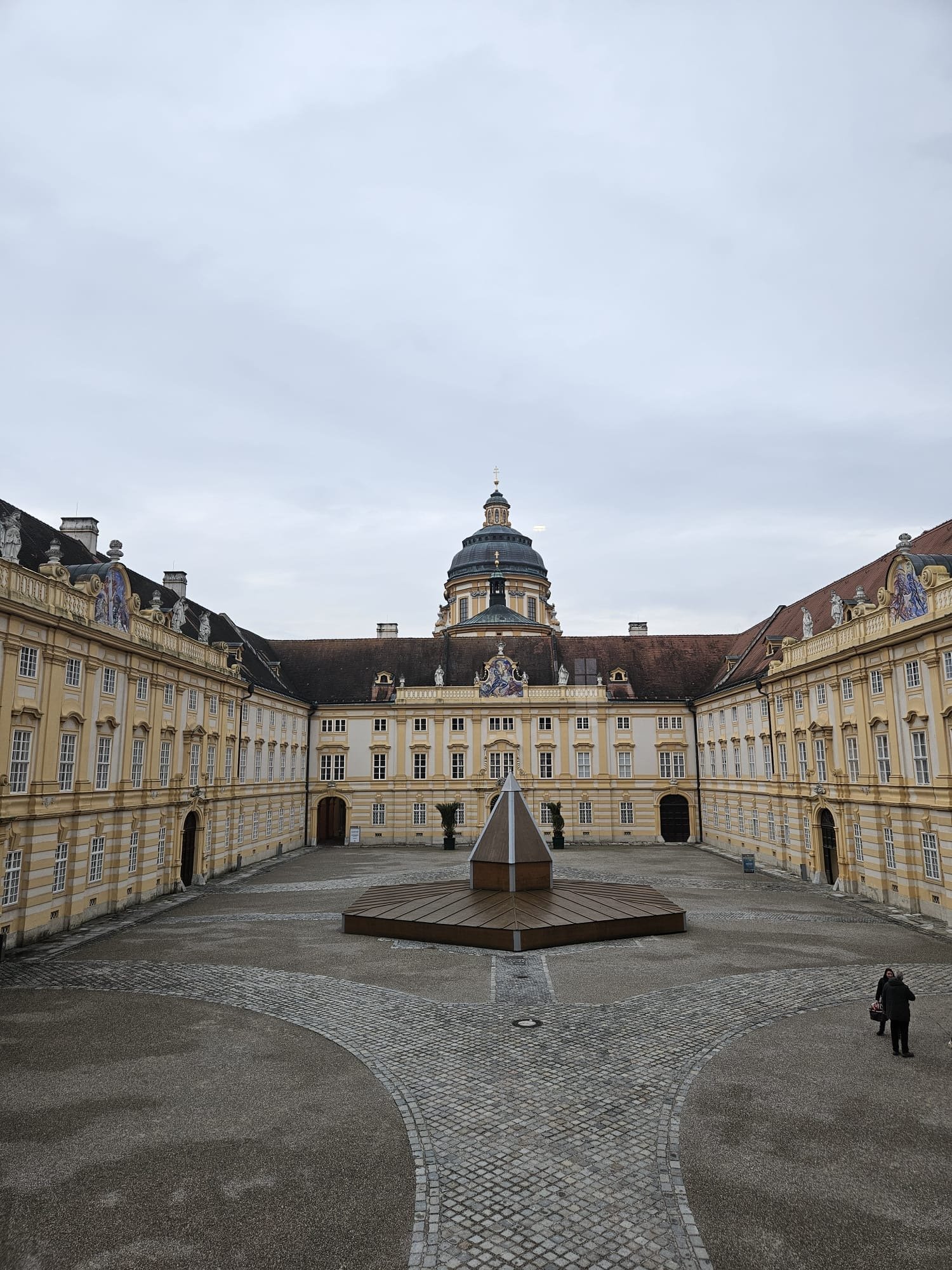
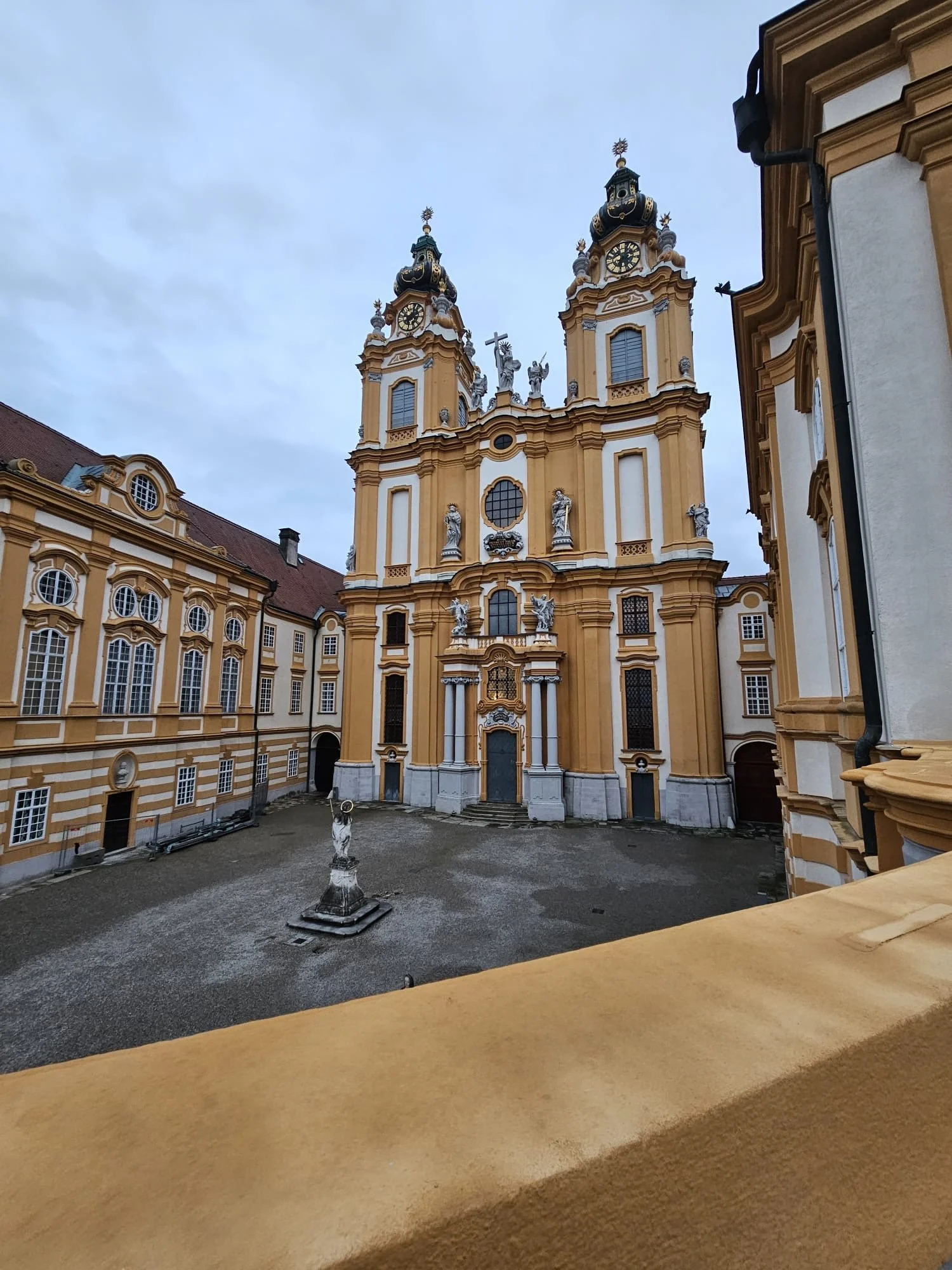
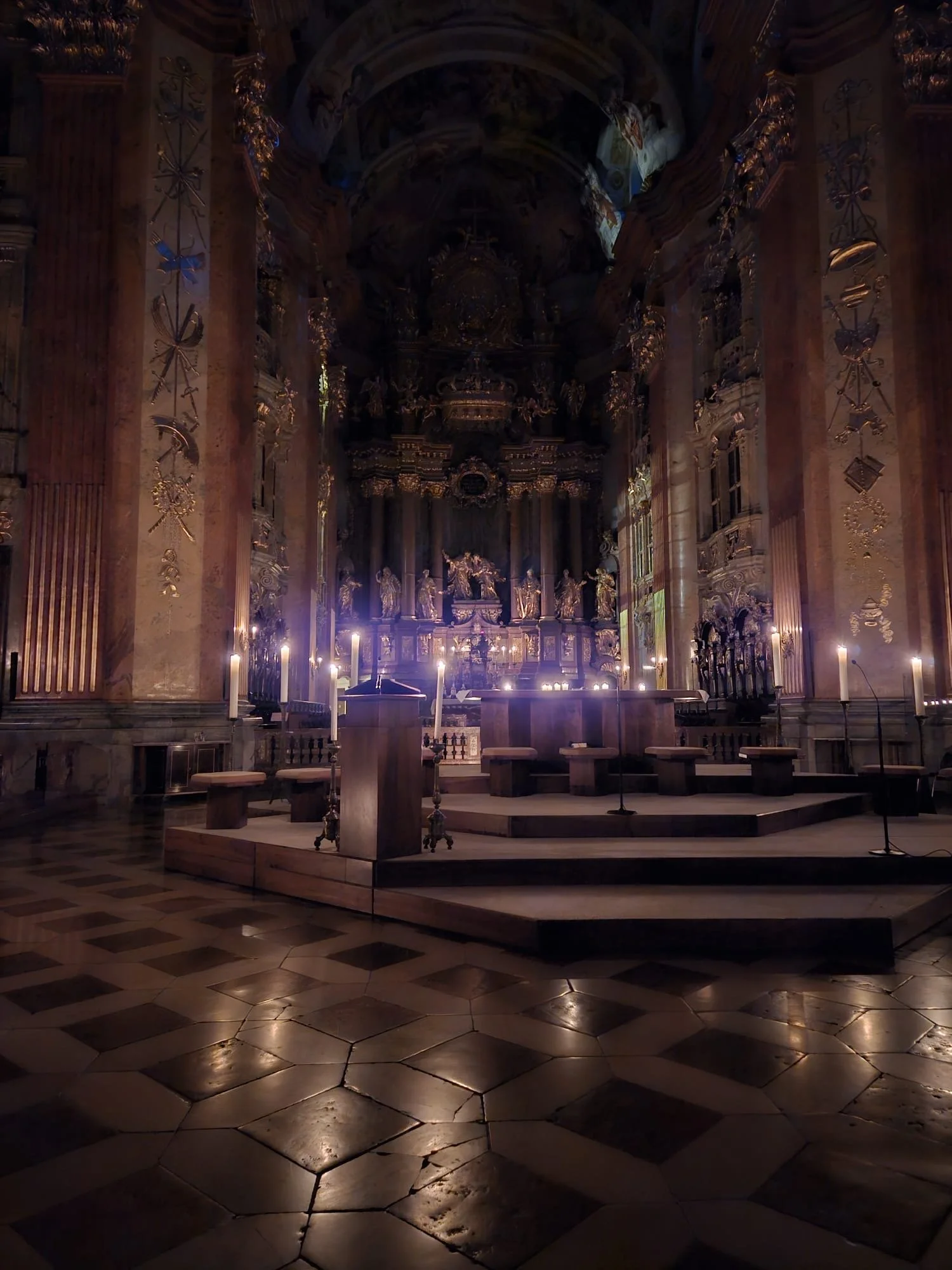
On December 4-5, the historic Benedictine monastery of Melk opened its doors to a gathering of the 9th Religionspolitologische Forum that felt both urgent and necessary. Under the ceilings where monks have pursued learning for centuries, eight scholars from across Europe and beyond converged to examine a question that grows more pressing by the day: how has "gender" become a weapon in the hands of those seeking to dismantle democratic institutions?
The timing of our workshop, "Who Is Afraid of Gender: Identitarianism in the Service of State Power," could hardly be more relevant. As autocratic powers around the world increasingly find encouragement and legitimacy under the patronage of the United States and its president Donald Trump, and his vice-president J. D. Vance, understanding the mechanisms of democratic erosion has moved from academic concern to existential necessity. What we discovered over two intensive days of discussion was both sobering and illuminating: anti-gender campaigns are not spontaneous cultural reactions, but carefully orchestrated strategies for consolidating authoritarian power.
An Ecosystem of Control
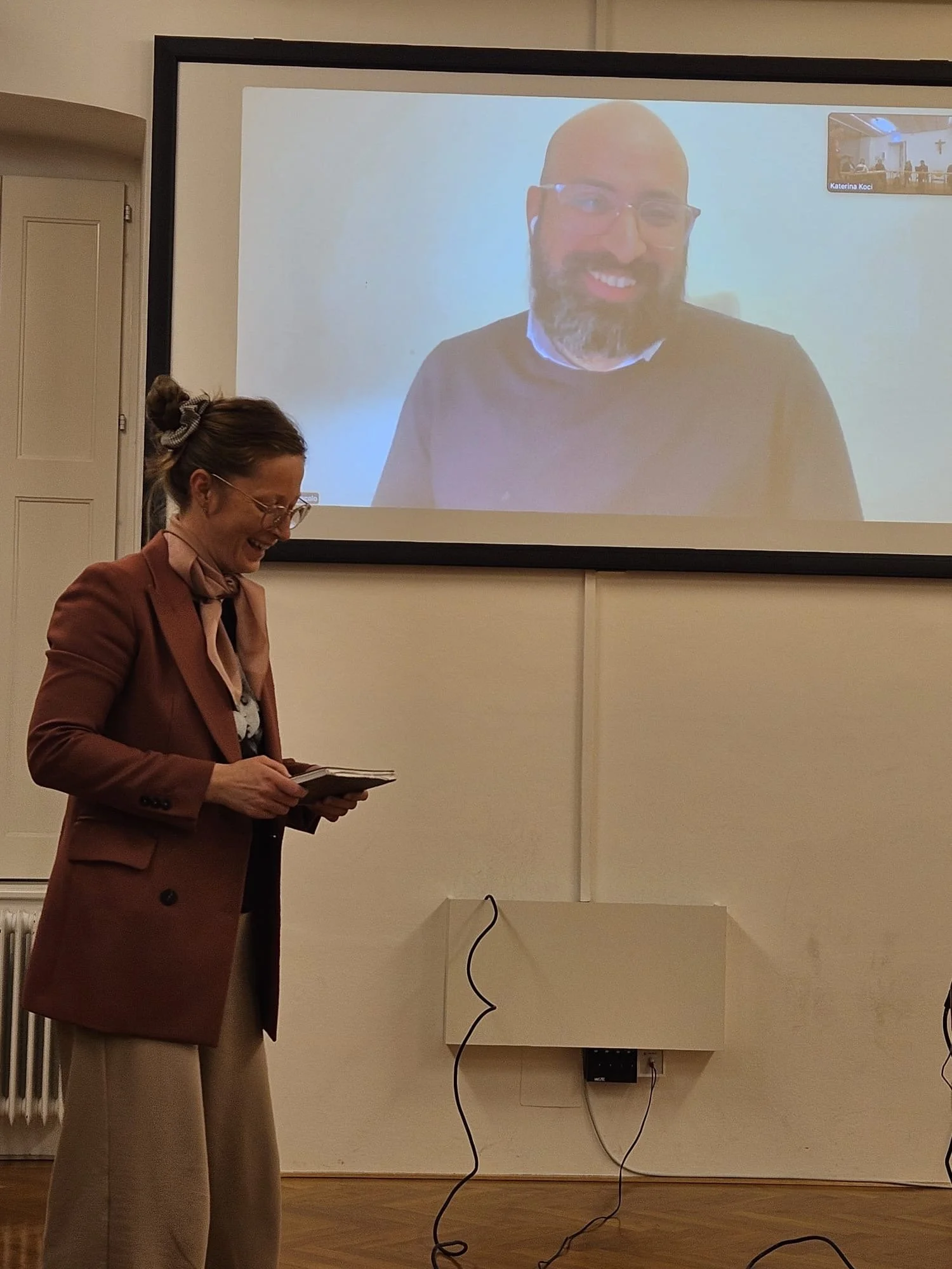
One of the workshop's most striking insights came from Gionathan Lo Mascolo's analysis of anti-gender politics not as isolated incidents but as a coordinated ecosystem. This system operates across three interconnected dimensions: structural patriarchal orders that provide the baseline resonance for anti-gender narratives, religious networks that offer moral legitimacy and transnational infrastructure, and metapolitical subcultures—from "manosphere" influencers to tradwife aesthetics—that normalize these ideas before they ever enter formal politics. In this configuration, "gender" functions as symbolic glue, condensing social anxieties and legitimizing autocratic projects by promising moral certainty in uncertain times.
The genius—if we can call it that—of this strategy lies in its flexibility. Anti-gender rhetoric can be deployed through religious language about "family values" and "protecting children," through nationalist framings of civilizational defense, or through seemingly secular concerns about "biological reality." What remains constant is the underlying goal: to police bodies, restrict freedoms, and stabilize hierarchies threatened by democratic pluralism.
Bodies That Matter, Bodies That Threaten
The workshop revealed how central the control of bodies—particularly women's bodies and LGBTQIA+ bodies—is to contemporary authoritarian projects. Katharina Limacher's examination of parliamentary discourse showed how these spaces continue to be coded as masculine and "disembodied," where images of caring, dependent bodies disrupt the ideal of the rational legislator. When anti-gender actors regulate reproduction, restrict gender recognition, or ban discussions of diverse sexualities, they are not simply expressing traditional values—they are actively constructing a homogeneous image of the nation as a body politic that excludes those who don't fit.
This body politics takes different forms across contexts. László Balogh presented striking examples from Hungary, ranging from the abolition of gender studies to laws banning legal gender change and restricting information about LGBTQIA+ identities to minors—all framed as protecting children and families. Hafiz Muhammad Bilal's research on Pakistan revealed how, despite women now outnumbering men among madrasa graduates, structural and institutional barriers prevent female scholars from translating their religious education into interpretive authority within Islamic discourse. These examples, from such different cultural contexts, reveal a common pattern: education and knowledge alone do not guarantee authority when structural power relations remain unchanged.
Milja Radovic brought yet another dimension to this conversation through her analysis of cinematic portrayals of female ascetics, exploring how film language translates iconographic representations of sanctity and examining gender as both a site of virtue and potential desecration in spiritual contexts.
The Religious Dimension
Meeting in a monastery added particular resonance to our discussions of religion's role in anti-gender campaigns. Religious institutions can serve as gatekeepers, determining whether populist demands translate into viable policy. Yet the relationship between religion and gender politics is more complex than simple conservatism might suggest. Sigrid Rettenbacher illuminated the Catholic Church's profound contradictions: while Christian faith centers on the incarnation—God becoming body—Catholic anti-gender literature positions itself against insights from gender studies, framing them as "ideology." This creates an ambivalent relationship where the church interprets the Body of Christ while failing to adequately engage with the concrete, diverse bodies within it.
Yet religion need not function solely as a tool for negative identity formation. Sándor Fazakas emphasized religion's potential to contribute to building social cultures grounded in trust and reconciliation—approaches that could reduce anxieties and strengthen democratic coexistence against authoritarian tendencies. The question is not whether religion plays a role in these debates, but how it will be mobilized: to police boundaries or to expand possibilities for human flourishing.
A Playbook for Democracy
If anti-gender politics succeeds by synchronizing morality, identity, affect, aesthetics, and geopolitics, then democratic responses must intervene across the same interlocking fields. The workshop explored what such a "counter-playbook" might look like: reclaiming metapolitical spaces where democratic values become emotionally resonant; developing affect-based strategic communication that begins with emotion and story before moving to argument; investing in long-horizon cultural strategy through youth, arts, education, and faith communities; using "kitchen-table" reframing that connects democratic values to everyday concerns about care, health, and relationships; and building capacity among democratic multipliers—clergy, educators, influencers, community organizers—in communicative resilience and conflict-sensitive engagement.
This is not about matching the other side's tactics through manipulation or fear-mongering. Rather, it requires learning from successful social movements while maintaining democratic commitments to plurality, dignity, and truth. It means understanding that cultural change is generational work that cannot rely on fact-checking alone, but must engage people's deepest concerns about meaning, belonging, and security.
An indivisible part of the workshop was a roundtable book discussion featuring Marietta van der Tol's Constitutional Intolerance, with Michaela Quast-Neulinger providing a response. Van der Tol's comparative study examines a troubling paradox: how constitutional frameworks designed to protect rights and ensure coexistence can simultaneously enable forms of structural exclusion and become instruments of intolerance. Through case studies from France, the Netherlands, Hungary, and Poland, the book traces how constitutional concepts—laïcité, public order, religious freedom—can be stretched, reinterpreted, or selectively applied to marginalize religious, ethnic-religious, and sexual minorities while maintaining a veneer of democratic legitimacy. The discussion illuminated how anti-gender movements exploit constitutional language and legal mechanisms to advance authoritarian goals, making the abstract legal analysis concrete and urgent for our contemporary moment.
The View from Melk
There was something fitting about holding this conversation in Melk, a place that has served as a center of learning and progress for nearly a thousand years. The monastery's library, its schools, its commitment to education—all speak to a tradition that understands knowledge as a form of freedom and human dignity as worth defending. As we gathered in those centuries-old halls, discussing the most contemporary threats to democratic life, we were reminded that the struggle between authoritarian control and human flourishing is not new. What changes are the tools and the tactics.
The workshop made clear that the fight against anti-gender authoritarianism cannot be won by defensive maneuvers alone. It requires proactive engagement with cultural meaning-making, patient investment in community building, and willingness to reclaim powerful concepts—family, protection, care, even nation itself—from those who would weaponize them. Most importantly, it requires understanding that democracy is not just a set of institutions but a culture that must be practiced, nurtured, and defended in the small spaces of everyday life long before crises arrive.
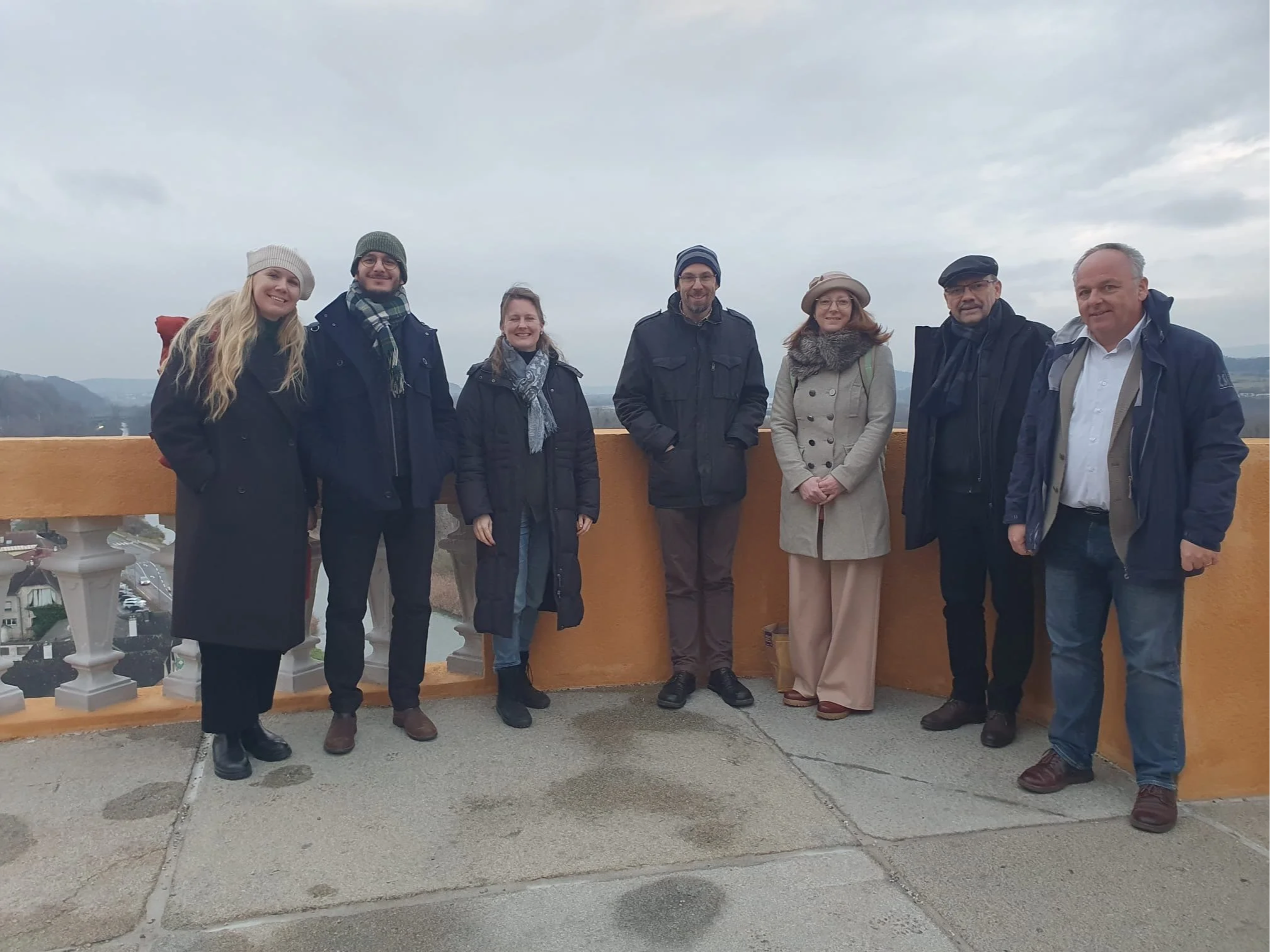
My deepest gratitude goes to all who made this gathering possible. To our presenters, whose rigorous scholarship and generous sharing of insights formed the intellectual foundation of these two intensive days. The organizational team—Sára Eszter Heidl, Dietmar Regensburger, Sofiia-Olga Kungurtseva, Zoe Boyle, and Giorgi Mitov—deserve special recognition for creating the conditions that made genuine dialogue possible. They not only ensured the seamless operation of our hybrid format and attended to countless practical details, but brought their own expertise and critical perspectives to every session. To the Melk monastery for providing such a meaningful venue for this work, Jakob Deibl for providing a guided tour around the monastery as a final treat for the participants, and to the Austrian Science Fund, whose support made this international conversation possible.
As we departed Melk, looking out over the Danube valley where the monastery has stood watch for generations, the challenge ahead felt daunting but not hopeless. We left with sharper tools for analysis, stronger networks for solidarity, and renewed commitment to the patient, unglamorous work of building democratic cultures that can withstand authoritarian storms. In an age when autocracy grows bold, such gatherings—bringing together diverse perspectives in spaces dedicated to learning and truth—may be among our most powerful forms of resistance.
Katholische Pressagentur Österreich wrote about our workshop the following.